What a property portfolio sale is
A property portfolio sale is one landlord's holdings sold as a single lot, priced on the rent the whole lot produces. The buyer takes the schedule as it stands: every property, every tenancy and every rent. That is why a lot is priced on aggregate income first and on bricks second.
The eleven portfolios live on this page run from £310k to £13.5m at asking, with gross yields from 6.7% to 20.66%. Each card carries the asking price, the passing rent and the gross yield at that price, and every lot in the portfolio archive carries the same three figures. Single-title blocks and multi-house lots sold in one transaction appear here alongside the portfolios proper.
Tenanted buy-to-let portfolio bundles
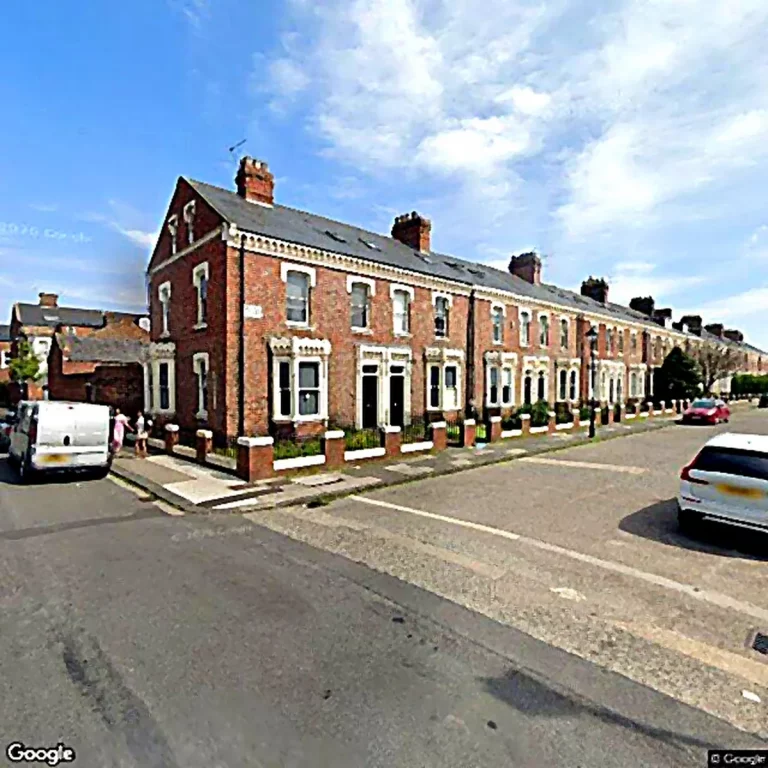
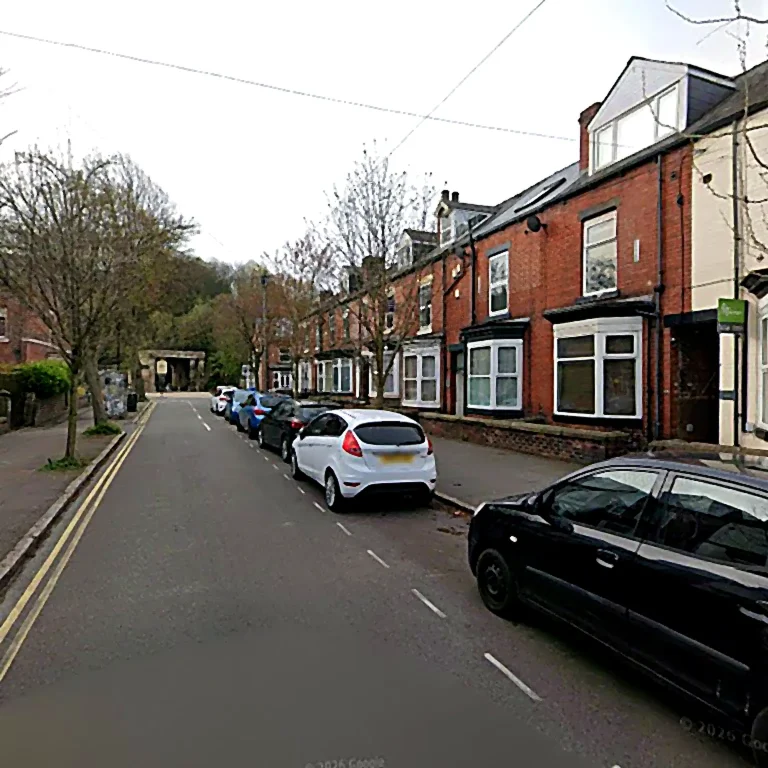
The most common lot shape is a bundle of tenanted single lets: terraced houses, flats and semis held by one landlord and sold with the tenants in place. Income is spread across many tenancies, so a single void costs a fraction of the rent roll. The tenanted purchase checklist lists what must change hands and how to test the vendor's schedule against bank statements.
Blocks of flats sold on one freehold title sit alongside the bundles: several flats under one roof and one set of communal obligations. Student blocks are priced per bed, and the largest lots are whole-estate sales offered as one transaction. Our block listings state tenure and title up front, and taller blocks bring the Building Safety Act into diligence. Single tenanted houses and flats sit on the tenanted buy-to-let page.
HMO portfolio stock and how it is valued
An HMO portfolio is a set of shared houses sold together, and every shared house on our books sits in the HMO archive. The gov.uk HMO page defines an HMO as at least three tenants forming more than one household who share a kitchen, bathroom or toilet, and a large HMO of five or more tenants needs a licence from the council. The licence does not pass to you on completion, as the licence transfer guide explains.
Value an HMO portfolio twice. A valuer may take a bricks and mortar basis, the house next door's price with the HMO use ignored, or an investment basis that capitalises net income at a market yield. The gap is often six figures on one house, and our HMO valuation guide explains what moves a property between the two. An Article 4 direction supports values by removing the automatic right to convert a house into a small HMO, and a supported-living lot is underwritten on the provider's covenant.
Asset sale or SPV share sale
A portfolio held in a limited company can be sold two ways. An asset sale transfers the properties out of the company and the titles move to you. A share sale transfers the company itself, so the titles never move and you inherit everything the company has done, including its debt, its tax history and any latent gain. Each card says which route is offered.
Share transfers carry stamp duty or stamp duty reserve tax at 0.5% of the price, against SDLT on an asset purchase, which is why vendors structure larger portfolios this way. The saving is real and it is not free. Read our share sale versus asset sale guide before you price either route: the SDLT saved pays for the warranties, diligence and latent-gain discount a share deal needs.
How the gross yield on each lot is quoted
The yield on every card is gross: the annual passing rent divided by the asking price, before finance, management, voids, repairs and tax. Where a card uses estimated market rent, it says so. A gross figure tells you how the lots rank against each other. It does not tell you what you will bank.
On bills-inclusive HMOs and student lets the gross figure includes utilities that go straight out again, so the net sits further below gross than on a single let. Our guide to what a gross yield hides walks a worked example from gross to net.
Stamp duty on six or more dwellings
SDLT is where a portfolio purchase in England or Northern Ireland differs most from a single buy-to-let. Under section 116(7) of the Finance Act 2003, a transaction involving six or more dwellings is treated as non-residential. HMRC's higher rates guidance confirms that from 1 June 2024 the non-residential rates apply and the 5% higher rates do not. Non-residential SDLT runs at nil to £150,000, 2% to £250,000 and 5% above that, so a £2m lot pays £89,500 against a six-figure bill at residential rates with the surcharge.
Multiple Dwellings Relief was abolished for transactions completing on or after 1 June 2024, so a lot of two to five dwellings pays the full residential rates plus the 5% surcharge. A five-house bundle and a six-house bundle at the same price are therefore taxed on different tables. Our 2026 SDLT guide has the worked comparison, and Scotland charges its own transaction tax under different rules.
What lenders call a portfolio landlord
The Prudential Regulation Authority's supervisory statement SS13/16 tells lenders to treat a borrower with four or more distinct mortgaged buy-to-let properties, in aggregate, as a portfolio landlord. Buy six houses with debt and you cross that line on completion. It also asks for specialist underwriting across your full portfolio, its mortgages and your assets and liabilities, so the new lot must clear the stress test as part of the whole. Our stress test guide has the interest cover arithmetic. On a share sale, check the company's existing facilities first: a change of control clause can end a cheap fixed rate.
Why portfolios trade off-market
Most portfolios never reach a portal. A landlord with dozens of tenanted houses does not want every household reading about the sale before it completes, and the buyer pool for a large rent roll is a few dozen investors. Vendors come to us directly and through the advisers who handle landlord exits, and registered buyers see each lot first. Our off-market report covers the channel.
Every listing also carries the unit or bed count, the location and whether the lot is an asset or a share sale. The pack holds the schedule, rent roll, tenancy types, EPC ratings, licences where they apply and photographs. Full addresses on larger lots go to registered buyers on request. We do not publish valuations, offers or what other buyers have done.
Where the current stock is
Today's live portfolios are in Birmingham, Epsom, Liverpool and Preston, Lytham St Annes, Manchester, Northampton, Norwich, NW and NE England, Sheffield and Sunderland, plus lots spread across several regions. That is 11 lots in total, with 1 under offer. We source UK-wide from Glasgow, and the mix moves as lots complete. If your region is not here today, the early access list sees each lot first, and every single-property deal sits on the properties page.
Selling a landlord portfolio
If you are exiting, the same buyers price your portfolio on rent and yield, not on what the houses would fetch empty. Our note on what your rental is worth to an investor shows both sums, and landlords selling up in 2026 covers the tax and possession rules driving exits. A free desktop valuation returns the investor figure on your own schedule within 24 hours, whether you sell or not.
Questions buyers ask
How many properties make a property portfolio?
Two or more properties under one owner is a portfolio in plain usage, and most agents list lots from two upward. The line that carries money is the lender's: the PRA's SS13/16 treats a borrower with four or more distinct mortgaged buy-to-let properties as a portfolio landlord, which changes how every later loan is underwritten. For SDLT the line is six dwellings in one transaction, where the non-residential rates apply.
Why are property portfolios sold off-market instead of on Rightmove?
Portals are built for one home and one buyer. A portfolio vendor has tenants who should hear about a sale from the landlord, not from a listing, and a buyer pool small enough to reach directly. Selling quietly also avoids a public price trail if the first buyer falls away. We publish figures on the lots here because we hold the vendor's instruction, and the early access list sees each one first.
What information comes with a portfolio listing?
The card shows the asking price, the passing rent, the gross yield at asking, the unit or bed count, the location and whether the lot is an asset or a share sale. The pack adds the property schedule, the rent roll, the tenancy types, EPC ratings, licences where they apply and photographs. Full addresses on larger lots go to registered buyers on request. You will not get a valuation, other buyers' offers or anything the vendor has not evidenced.
Can I buy part of a portfolio instead of the whole lot?
Each lot is listed as a whole because that is how the vendor has instructed it, and one completion is usually the reason they are selling this way. Some vendors will consider a split where it does not strand the remainder, particularly on estate sales spread across several regions. Ask on the specific lot. Note that a split which takes you below six dwellings changes the SDLT table you pay on, so price both versions.
Can I get a mortgage on a portfolio purchase?
Yes, through the buy-to-let and commercial lenders that underwrite portfolio landlords, which the PRA's SS13/16 defines as borrowers with four or more mortgaged buy-to-let properties in aggregate. Expect to evidence every property you hold, and expect the rent to be tested against a stressed interest rate with a floor of 5.5% for the first five years of the loan, not the rate you are offered. On a share sale, the company's existing loans and their change of control clauses come first.
What stamp duty do I pay on six or more properties?
In England and Northern Ireland, six or more dwellings in one transaction are treated as non-residential under section 116(7) of the Finance Act 2003, so the non-residential SDLT rates apply: nil to £150,000, 2% to £250,000 and 5% above, with no 5% additional-property surcharge. HMRC's higher rates guidance confirms this for purchases on or after 1 June 2024, when Multiple Dwellings Relief ended. Two to five dwellings pay full residential rates plus the surcharge.
What happens to the tenants when I complete?
The tenancies continue against you as the new landlord on their existing terms. Since 1 May 2026 private assured tenancies in England are periodic under the Renters' Rights Act 2025, and existing tenancies converted on that date, so there is no fixed term to run down and no section 21 route. Possession needs a statutory ground, and the selling ground carries a 12-month bar on re-letting. Buy the tenancies you are shown, not a vacant plan.
How is an HMO portfolio valued?
On one of two bases. Bricks and mortar values each house against local house sales with the HMO use ignored, and it is the default for small shared houses that could revert to family homes. The investment basis capitalises net income, after standard deductions for management, voids and utilities, at a yield drawn from local HMO sales evidence. Scale, sui generis planning use and an Article 4 direction push a property towards the second basis. Underwrite on the first and treat the second as upside.